Engineering Capacity
A growing backlog outpaces what an in-house team can ship on its own.
Native in Swift and Kotlin, or one codebase across both. We test on a mid-range Android, not just the newest iPhone, and every release is measured against the last on start time and crash-free sessions.
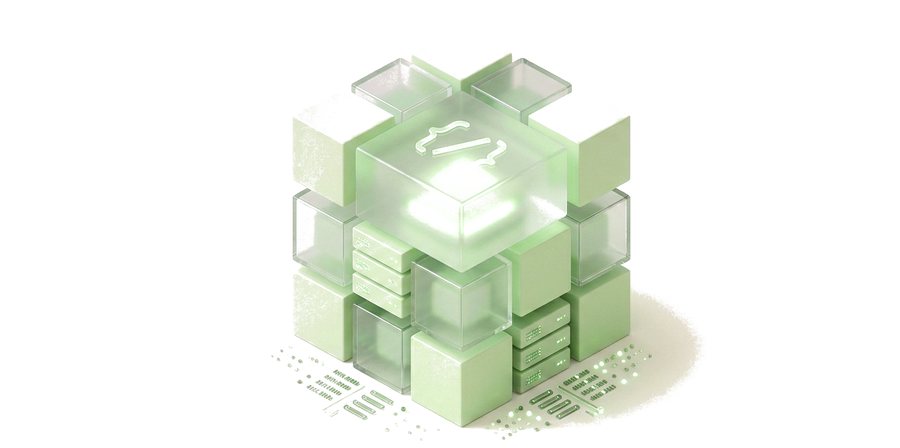
Data model first, then access rules, then interface. NewishPro runs three portals on one database with six core tables, and PostgreSQL refuses the wrong query rather than the interface hiding it.
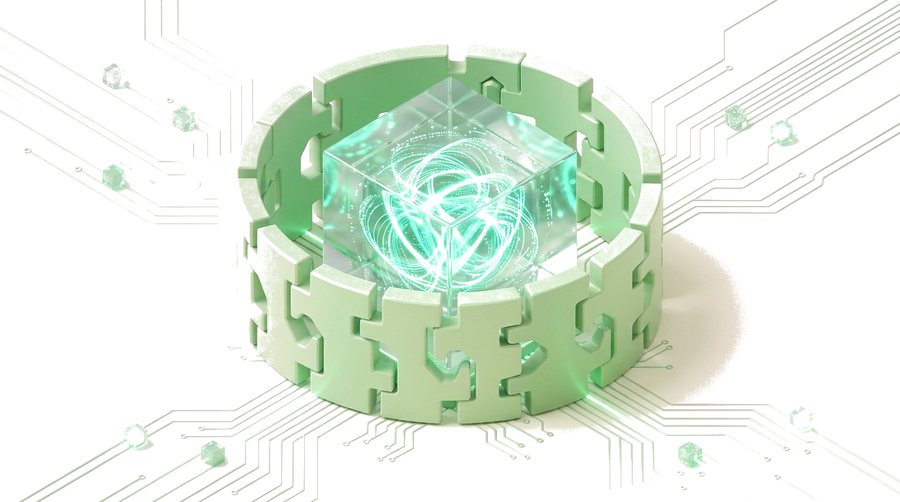
Terraform describes the whole thing, so staging and production cannot quietly drift apart. Every commit builds, tests and deploys the same way, which is what makes rolling back safe rather than frightening.
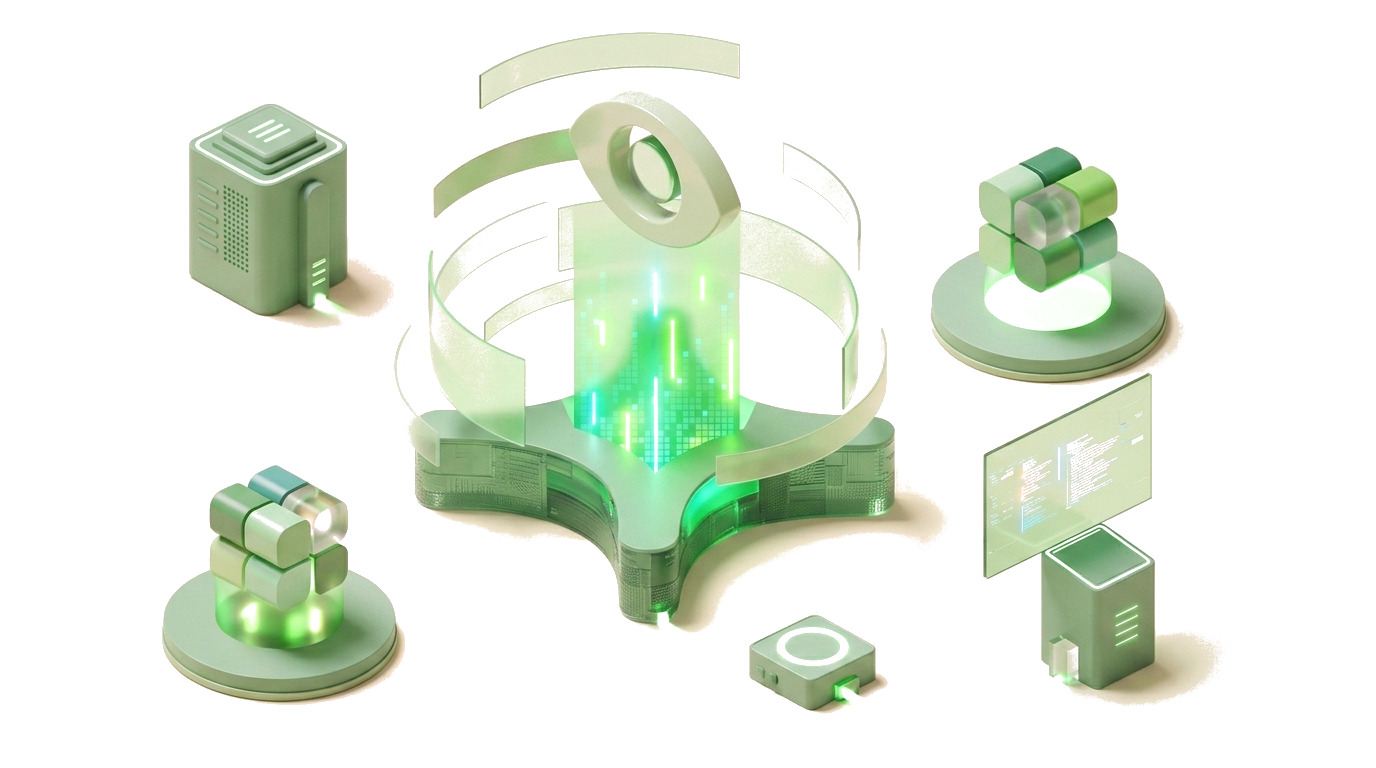
Patching, certificates, backups and scaling run on a schedule. Alerts fire on what your users feel, not on a metric nobody reads. The measure of the work is that the alert volume goes down.

Most AI work stalls between the demo and production. We build the data path, the serving and the cost control, and report what each feature costs per request so you can decide what earns its place.
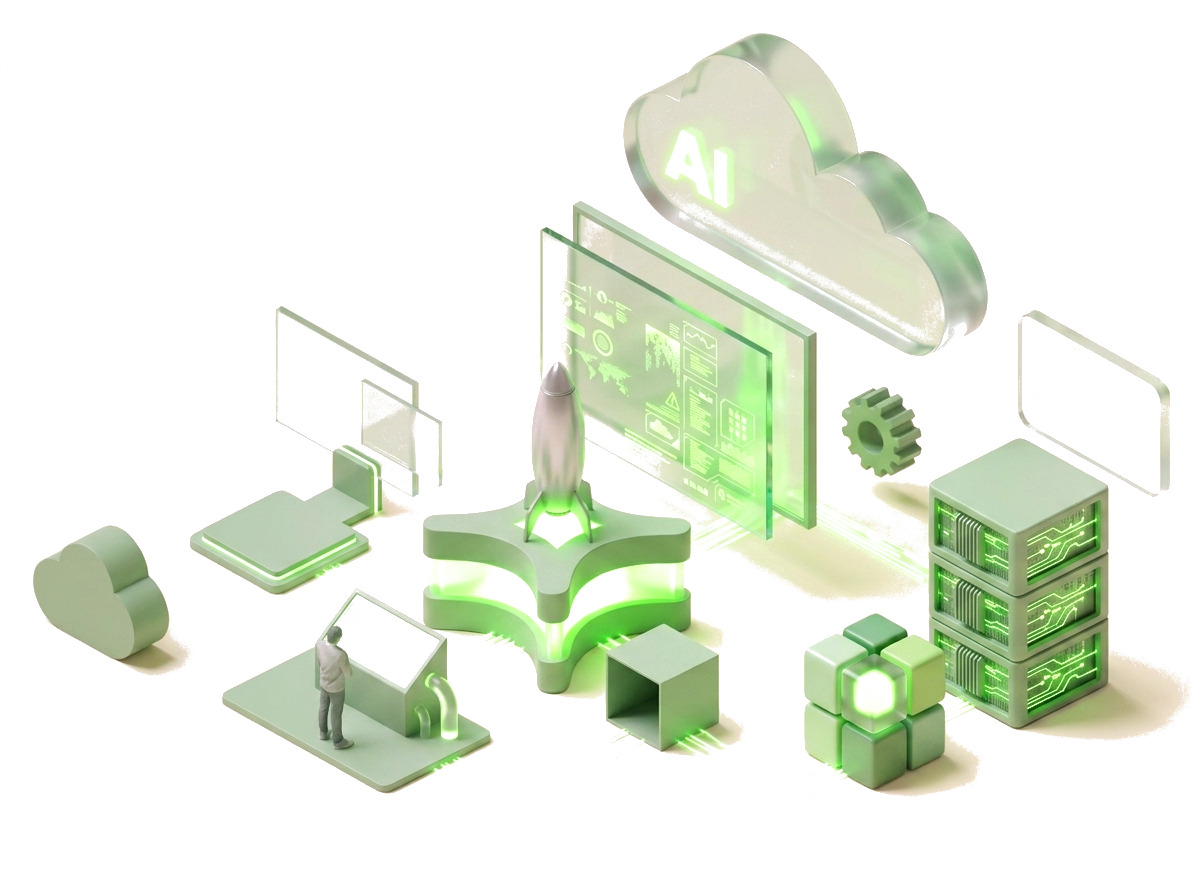
Two weeks reading the system, then the real constraints named and the options costed side by side, including doing nothing. On Attik the blocker was a bounding box, not the renderer.
The work changes by company, but the pressure is familiar: more to build, more to maintain, and less room for avoidable technical risk.
A growing backlog outpaces what an in-house team can ship on its own.
Old codebases get slower and riskier to change the longer they sit untouched.
Every new feature adds surface area that attackers and auditors both care about.
Systems that hold up fine at ten customers can buckle at ten thousand.
Every change is read by a second engineer before it reaches production.
Dependencies and access controls are checked before launch, not after an incident.
Test suites run on every commit, not just before a release goes out.
Setup, architecture and runbooks are written down, not kept in one person's head.
Systems are watched around the clock, and alerts go to someone who can act.
Every deploy follows the same path from commit to production, in the same order.
We do not hand your project between an agency, a freelancer and a support desk. The people who build it are the people who run it, so nothing gets lost explaining the system to whoever picks it up next.
Mobile to cloud, no handoffs between suppliers
Talk to the engineer, not an account manager
Priced and scheduled before work starts