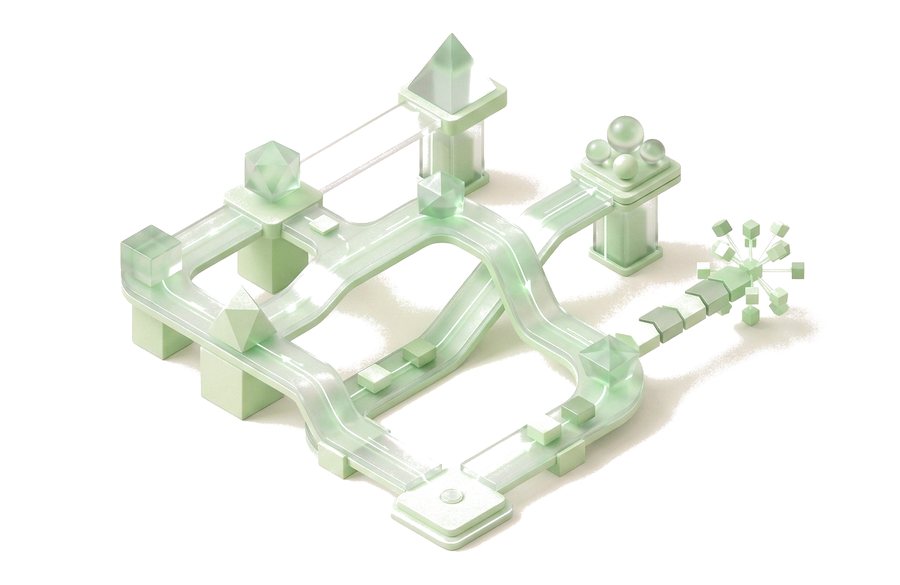
Scope the product, not the feature list
A written scope: the screens, the data, and what waits for later.
Template apps have a low limit. Their performance is poor, they make you follow the plan of a different company, and they look like all the other products. With a custom app, you control the user experience, the data, and the way the app changes for your users.
We write iOS apps in Swift and Android apps in Kotlin. A native app can use each device API. It gives better performance and a correct user experience on each platform.
One codebase supplies two platforms. Flutter and React Native let us release iOS and Android together, and the quality stays high. This is a practical choice when the speed and the budget are both important.
To put the app in the App Store is one task. To make users find it is a different task. We do the store submissions, we select the keywords, and we install the analytics. You can then monitor the results after the release.
Four stages, in order, with a working build in your hands from the second one onward. You never wait until the end to see the product.
A written scope: the screens, the data, and what waits for later.

Wired to your real API from week one, never to sample content.
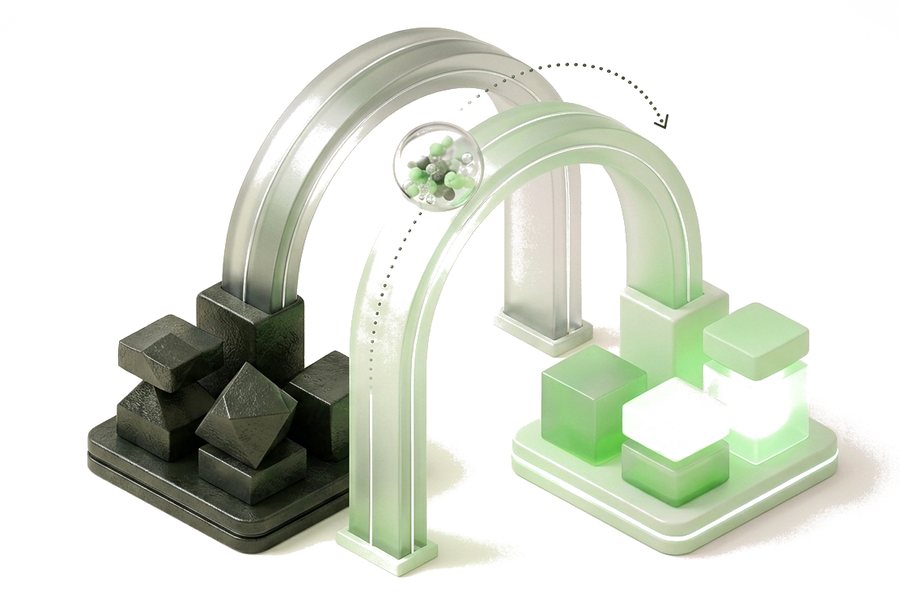
Signing, provisioning and review handled. A release you can repeat.

Crash reporting and release health live from the first build.
These are the four failures we are called in to fix most often. Each one is cheap to avoid at the start and expensive to correct after launch.
Off-the-shelf apps force your business to follow another company's plan. The first request your template cannot handle is the day the saving ends.
Start time and frame rate drift release by release until users notice. Without a number to hold to, there is nothing to stop the slide.
Signing, provisioning and store submission living in one engineer's head is a risk that surfaces at the worst possible moment.
Without crash reporting and release health, you learn about a broken Android version from a one-star review rather than a dashboard.